Belly Fat: Why It Is So Stubborn and What Actually Works
Belly fat is the most common reason people start a diet — and the most common reason they give up. The scale moves, but the stomach seems to stay. Here's what's actually going on, and what works.
Two kinds of belly fat
- Subcutaneous fat sits just under the skin — the soft fat you can pinch.
- Visceral fat sits deeper, around your organs. It's the one linked to type 2 diabetes, heart disease and fatty liver, and it's especially common in South Asians — even at a "normal" BMI.
The good news: visceral fat is usually the first to go when you start losing weight.
Why it seems stubborn
- You can't spot-reduce. Crunches strengthen the muscles underneath but don't burn the fat on top. Your body decides where fat comes off, and for many people the belly is last.
- Hormones. After 40, and especially after menopause, women tend to store more fat around the middle.
- Stress and poor sleep. High cortisol and short sleep are both linked to more abdominal fat.
- Sugar and refined carbs. Sugary chai, soft drinks, mithai and maida-heavy snacks are strongly linked to visceral fat.
- Bloating. Sometimes it isn't fat at all — gas and water retention can add several centimetres by evening.
What genuinely works
1. A steady calorie deficit
Overall fat loss is the only way belly fat goes. Aim for 300–500 kcal below your maintenance — work it out with our Calorie Calculator.
2. Protein at every meal
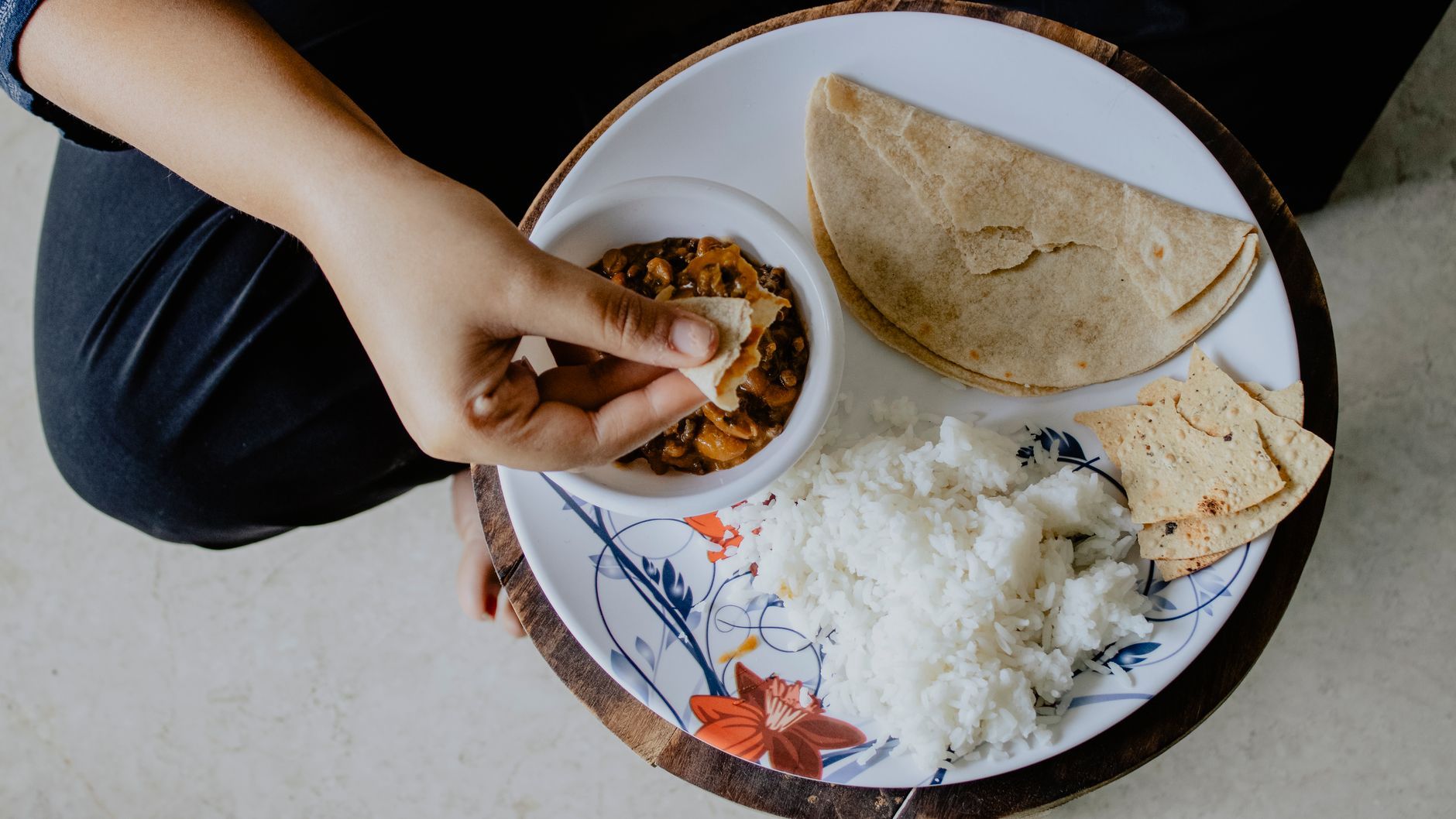
Protein keeps you full and protects muscle. Eggs, daal, chicken, fish, dahi and chana are all good desi options — see our list of high-protein Pakistani foods.
3. Cut liquid sugar first
Three cups of chai with two spoons of sugar each is roughly 100 kcal of sugar a day — about 4.5 kg of body fat over a year if nothing else changes. A daily can of cola adds 139 kcal more.
4. Walk more, then lift
Daily walking burns calories steadily; strength training two or three times a week builds muscle, which improves how your body handles sugar. Studies show combined exercise is particularly effective against visceral fat.
5. Fibre
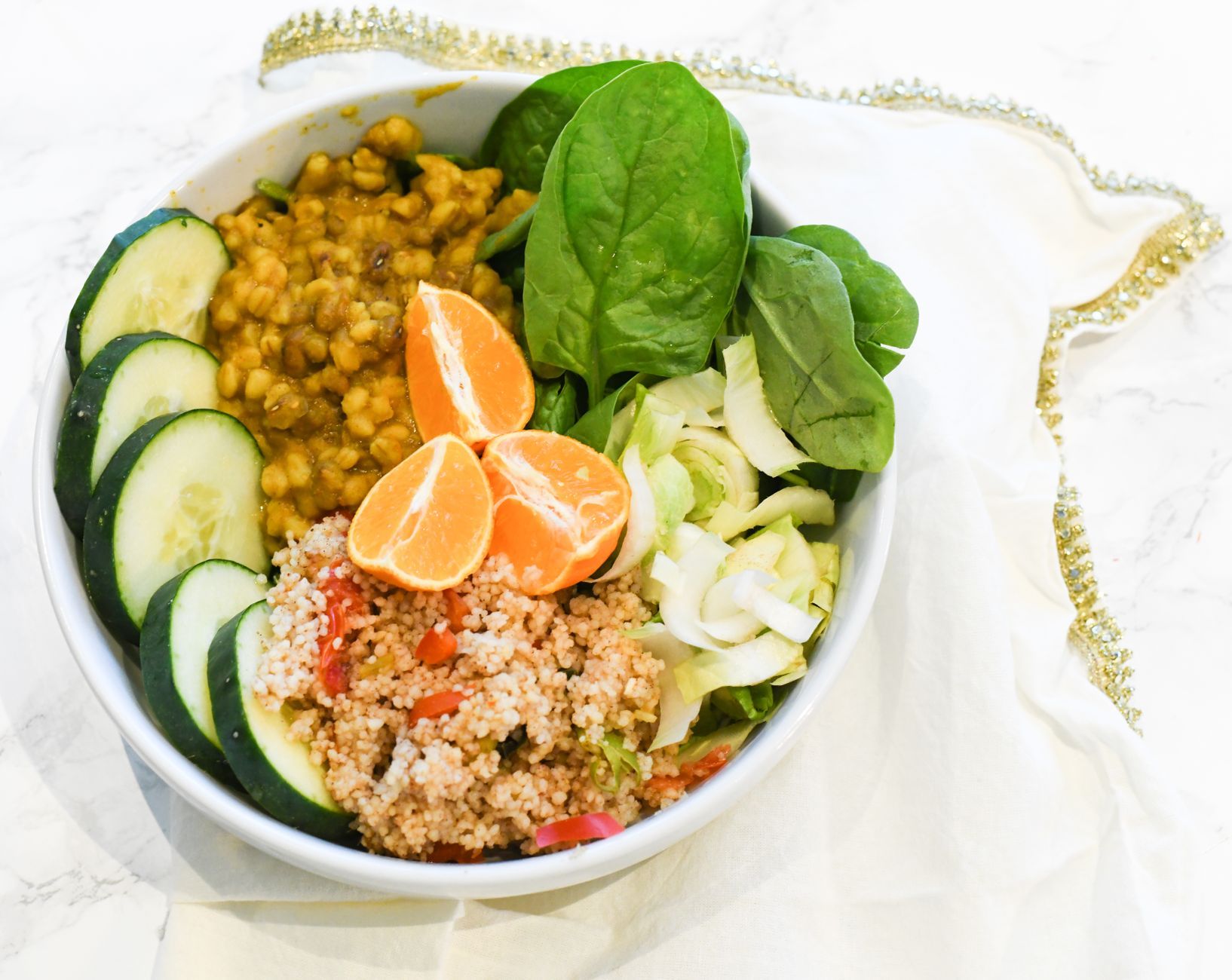
Soluble fibre — from daal, oats, methi dana, apples and guava — is associated with less visceral fat over time.
6. Sleep 7–8 hours
Short sleep increases hunger hormones and cravings the next day.
Measure the right thing
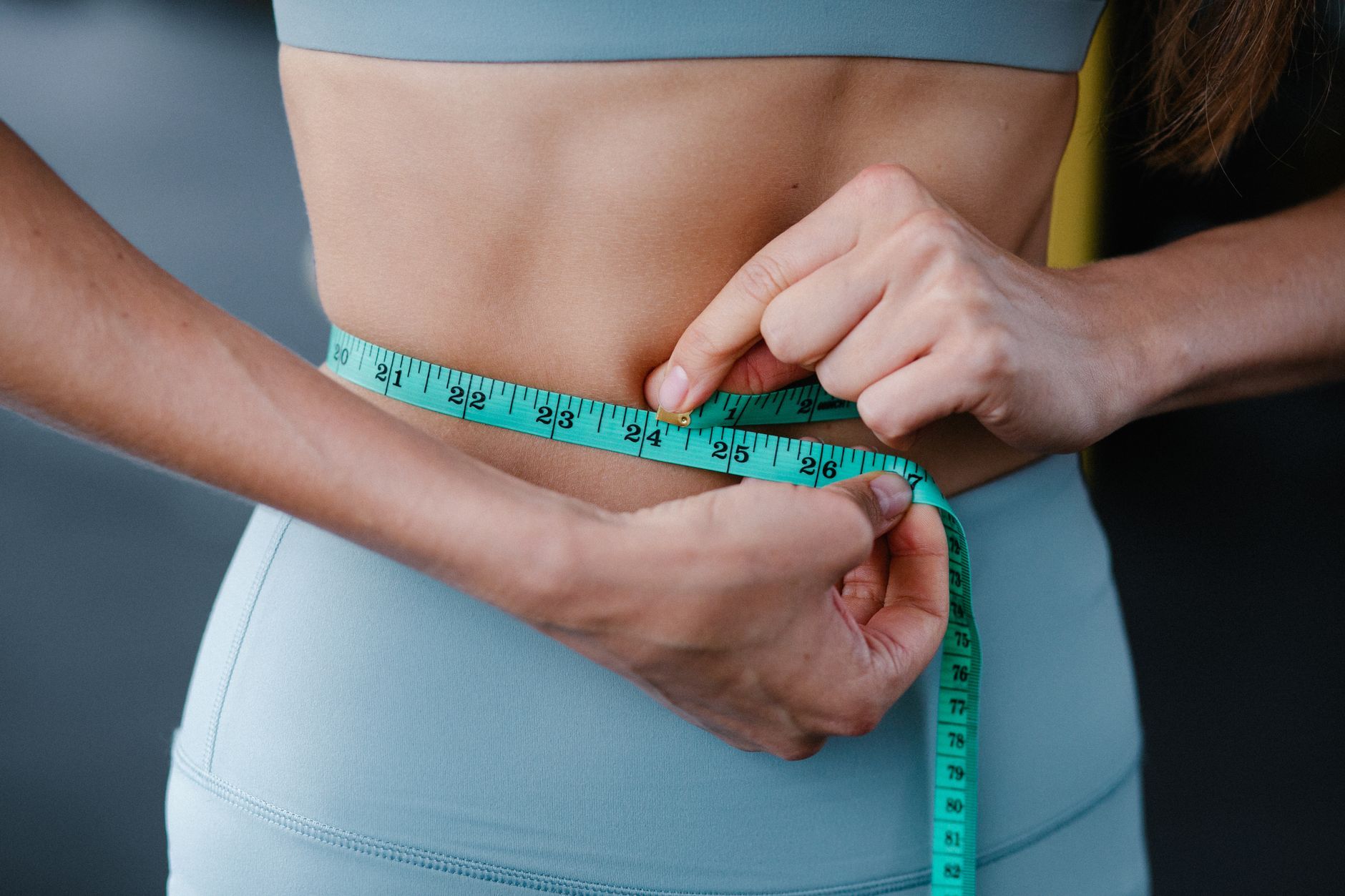
Use a measuring tape around your waist (at the belly button) every two weeks — it shows progress the scale misses. For South Asian adults, a waist over about 80 cm for women and 90 cm for men suggests higher health risk. Our Body Fat Calculator uses waist measurements too.
Where herbal tea fits
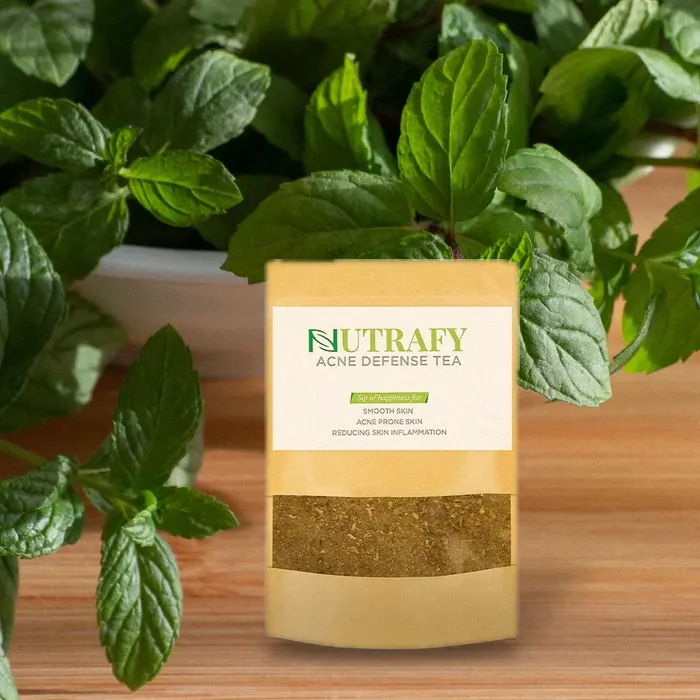
No tea melts belly fat. What a caffeine-free blend like our Weight Loss Tea can do is reduce bloating — which makes the stomach look and feel flatter — and replace sugary drinks. Combined with the steps above, that's a useful helper.
Frequently asked questions
Can exercises like crunches reduce belly fat? +
What waist size is healthy for South Asians? +
How long does it take to lose belly fat? +
Try our free calculators or get a personalised diet plan.