Hormonal Acne vs Regular Acne: How to Tell the Difference
Not all pimples are the same. A breakout after a week of fried food and late nights is different from cysts that appear on your chin like clockwork before every period. Knowing which one you're dealing with helps you choose what actually works.
How all acne starts
Every pimple begins the same way: oil (sebum) and dead skin cells block a pore, bacteria that normally live on the skin multiply inside it, and the area becomes inflamed. What differs is why your skin is producing so much oil and inflammation in the first place.
Signs it's hormonal acne
- Location: lower face — chin, jawline and around the mouth, sometimes the neck.
- Timing: flares in the week before your period, then settles.
- Type: deeper, tender, painful bumps or cysts rather than small whiteheads.
- Age: continues or starts in your 20s and 30s, after teenage acne should have faded.
- Other signs: irregular periods, excess facial hair or difficulty losing weight — which can point to PCOS.
Hormonal acne is driven by androgens (male-type hormones that all women have in small amounts). They make oil glands larger and more active.
Signs it's "regular" acne
- Spread across the forehead, nose and cheeks (the T-zone)
- Mostly blackheads, whiteheads and small red bumps
- Linked to triggers like heavy creams, sweat, dirty pillowcases or phones, or touching your face
- No clear link to your cycle
What helps regular acne
- A gentle cleanser twice a day — not harsh scrubbing
- Oil-free, "non-comedogenic" moisturiser and sunscreen
- Over-the-counter salicylic acid or benzoyl peroxide
- Changing pillowcases twice a week and cleaning your phone screen
- Washing your face after sweating
What helps hormonal acne
- The basics above still matter — they reduce the bacteria and blocked pores.
- Blood sugar balance — diets high in sugar and refined flour raise insulin, which can push androgens up. Fewer sweets, sugary drinks and maida; more daal, sabzi and protein.
- Spearmint — small studies have found that two cups of spearmint tea a day lowered free testosterone in women with excess androgens.
- Stress and sleep — cortisol makes breakouts worse.
- See a dermatologist or gynaecologist if acne is cystic, scarring, or comes with other PCOS signs — prescription treatments can make a big difference.
Don't do this
Squeezing deep pimples pushes the infection further in and leaves dark marks and scars. Toothpaste, lemon juice and strong "whitening" creams on active acne usually irritate the skin and make marks darker.
Supporting your skin from inside
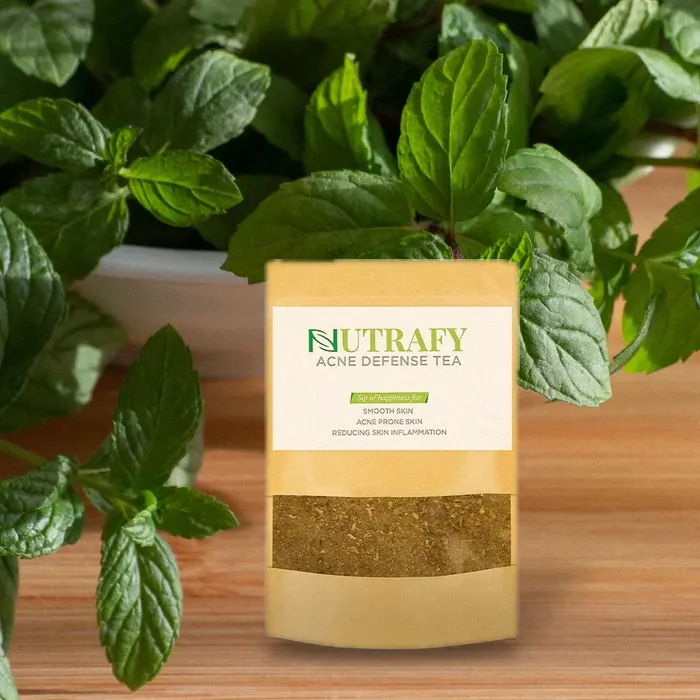
Our Acne Defense Tea blends spearmint with neem, turmeric, tulsi, ginger, fennel, fenugreek, lemongrass and saffron — herbs with a long traditional use for oily, breakout-prone skin. Give any change about 6–8 weeks, since a new layer of skin takes about a month to come through. If you suspect PCOS, read our guide to PCOS and irregular periods.
This article is educational, not medical advice.
Frequently asked questions
Where does hormonal acne appear? +
Can PCOS cause acne? +
How long does it take for acne to improve? +
Try our free calculators or get a personalised diet plan.