Whitening Cream for Sensitive Areas: A Simple, Honest Guide
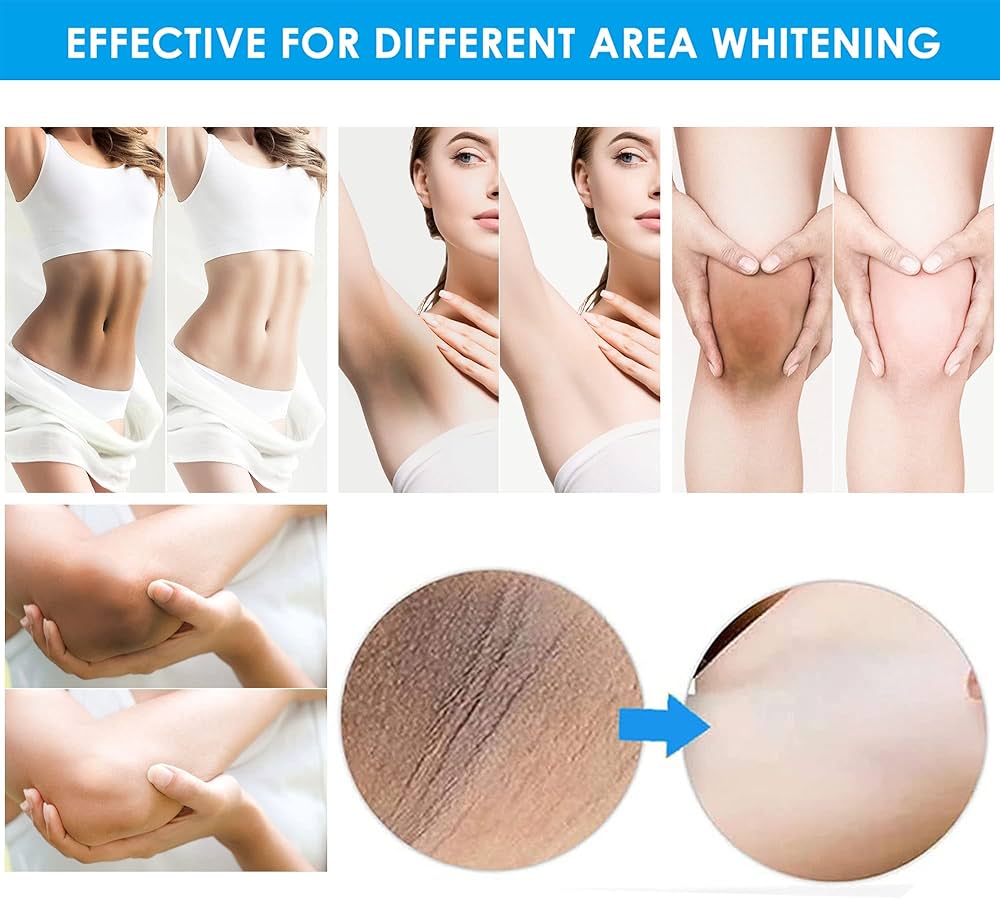
Many women notice darker skin on their underarms, inner thighs or bikini line. If that is you, you are not alone. It is very common. It is not dirty, and in most cases it is not a disease.
This guide explains why it happens, what a whitening cream can really do, and how to use one safely. We have kept it short and simple.
Why do these areas get dark?
Your skin has a natural colour called melanin. When skin is rubbed, hurt or irritated again and again, it makes more melanin to protect itself. That is why these areas get darker. The most common reasons are:
- Rubbing. Thighs rub together when you walk. Tight jeans and shalwar rub too.
- Hair removal. Shaving, waxing and hair-removal creams can irritate the skin each time.
- Heat and sweat. In Pakistan’s hot weather, skin folds stay damp and get irritated.
- Hormones. Pregnancy and PCOS can make skin darker.
- Extra weight. More skin folds mean more rubbing.
Sometimes dark skin is a sign of a health problem. If the skin on your neck or underarms is dark, thick and feels like velvet, it can be linked to high blood sugar. Please see a doctor and get your sugar checked.
Can a whitening cream help?
Yes, a little, and slowly. A good cream can make a dark patch lighter, closer to your normal skin colour. It cannot make you “fair”, and it cannot change the colour you were born with.
Most people need 8 to 12 weeks of daily use to see a change. Some people see very little. If a cream promises a big change in 7 days, it is not telling the truth, or it contains something harmful.
Ingredients that are worth looking for
These gentle ingredients slow down melanin. They are commonly used in creams for sensitive skin:
- Niacinamide (vitamin B3)
- Licorice extract (mulethi)
- Arbutin or bearberry extract
- Kojic acid and azelaic acid
- Vitamin C
Soothing ingredients like aloe vera and shea butter help keep the skin calm.
Ingredients to stay away from
The skin in these areas is thin. Some cheap “formula” creams sold in markets contain things that can badly hurt it:
- Mercury. It is poisonous and banned in many countries. It can harm your kidneys.
- Steroid creams such as clobetasol or betamethasone. They thin the skin and can cause marks that don’t go away.
- Hydroquinone, unless a doctor tells you to use it.
- Bleach, and home tricks like lemon, baking soda or toothpaste. They burn the skin and can make it darker.
If a cream has no ingredient list, don’t use it.
How to use a whitening cream safely
- Patch test first. Put a little on your inner arm. Wait 24 hours. If it itches, burns or turns red, don’t use it.
- Clean and dry the skin before you apply it.
- Use a thin layer on the outer skin only. That means the bikini line, inner thighs, underarms and the skin around the vagina. Never put it inside the vagina.
- Skip broken or sore skin. Wait until a cut or rash heals.
- Stop if it stings or burns. A little tingling is one thing. Real burning is a sign to stop.
Daily habits matter more than any cream
A cream works much better when you stop the cause. These small changes make a real difference:
- Wear loose cotton clothes, especially in summer.
- Use an anti-chafing gel or powder on your inner thighs on long, hot days.
- Trim hair instead of shaving very close, and don’t wax too often.
- After a bath, dry the area fully, then put on a plain moisturiser.
- Don’t scrub hard. Rough scrubbing makes skin darker, not lighter.
- If you are overweight, losing a little weight reduces rubbing. Our BMI calculator can help you check.
For more on the reasons behind dark skin in folds, read dark inner thighs and underarms: causes and gentle care.
When to see a doctor
Please see a doctor or skin specialist if:
- The dark skin is thick and velvety, or it appears on your neck too.
- It is spreading fast or came on suddenly.
- It itches, hurts or has a rash or bumps.
- You have unusual discharge, smell or pain down there.
Where our V-White Cream fits
V-White Cream is a gentle cream for dark patches on the outer skin of sensitive areas. It contains licorice extract, mulberry extract, niacinamide, bearberry extract, aloe vera, shea butter and vitamin E. It has no hydroquinone, no mercury, no bleach and no parabens.
Like every cream of this kind, it works slowly, and results are different for each person. It is for outer skin only. Patch test first, and ask your doctor before using it if you are pregnant or breastfeeding.
This article is educational, not medical advice.
Frequently asked questions
Is it safe to use whitening cream on private parts? +
How long does a whitening cream take to work? +
Will it make my skin permanently fair? +
Kya private parts ki whitening cream safe hai? +
Can I use lemon, baking soda or toothpaste instead? +
Try our free calculators or get a personalised diet plan.