How to Lose Weight Safely: A Practical Guide
Most weight loss advice is either too extreme or too vague. This guide sits in the middle. You can follow it with normal Pakistani home food, without starving yourself.
1. Start with where you are
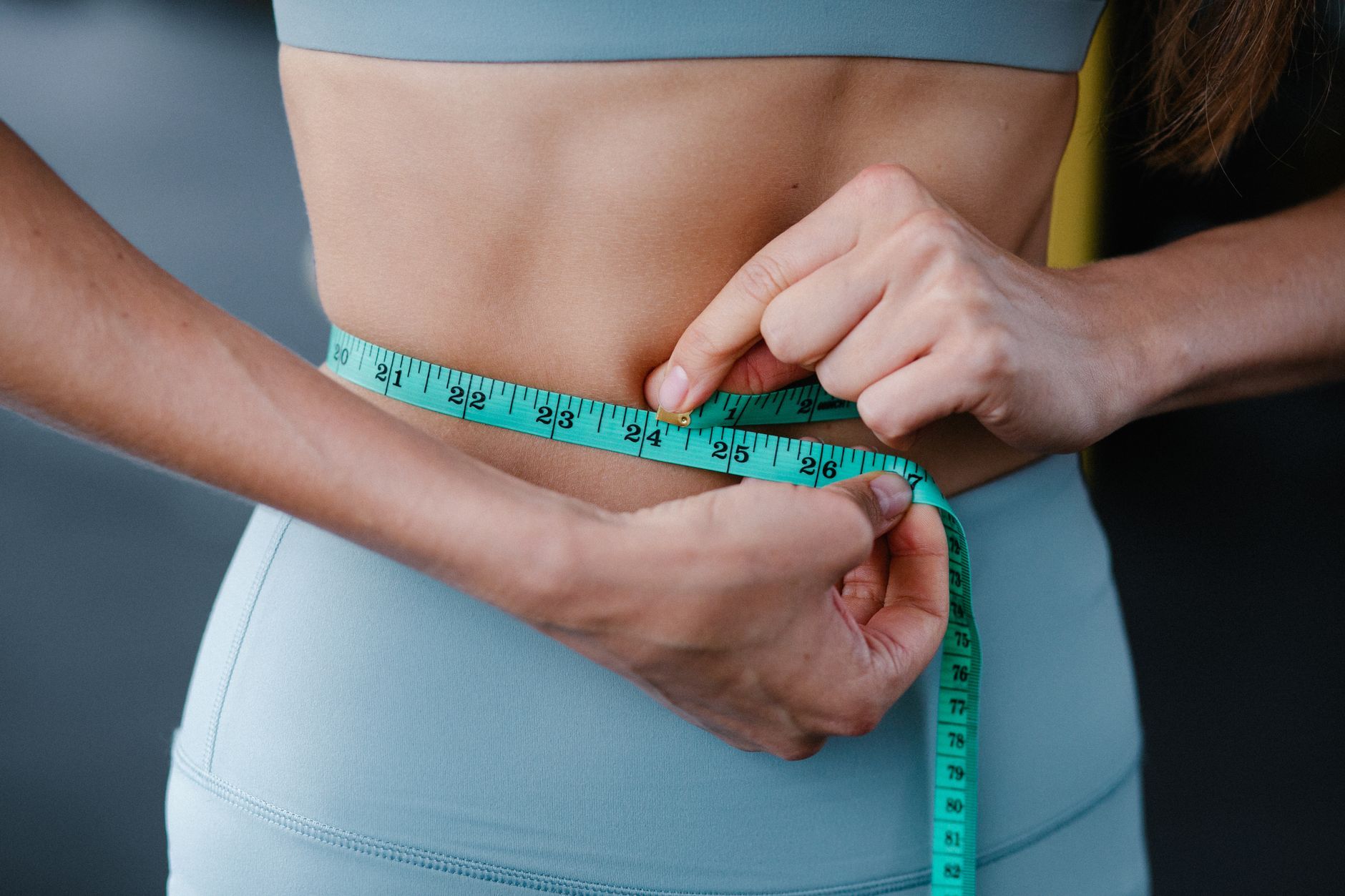
Use our BMI calculator to get a rough idea of your range. Also measure your waist with a tape. For most women, a waist over about 80 cm (31.5 inches) is a sign to take your weight seriously.
If you have diabetes, thyroid problems, PCOS, high blood pressure, or you take regular medicine, talk to your doctor before you change your diet.
2. Pick a pace you can keep
Aim to lose about half a kilo to one kilo a week. That may sound slow, but it adds up to 4 to 8 kg in two months. When people lose weight faster, it usually comes back, and they lose muscle along with fat.
3. Change a few things, not everything
You don’t need special “diet food”. Start with these easy swaps:
- Cut down on sugar in drinks first. Sweet chai, cold drinks and packet juice are the easiest calories to drop. Try one spoon of sugar instead of two, then half a spoon.
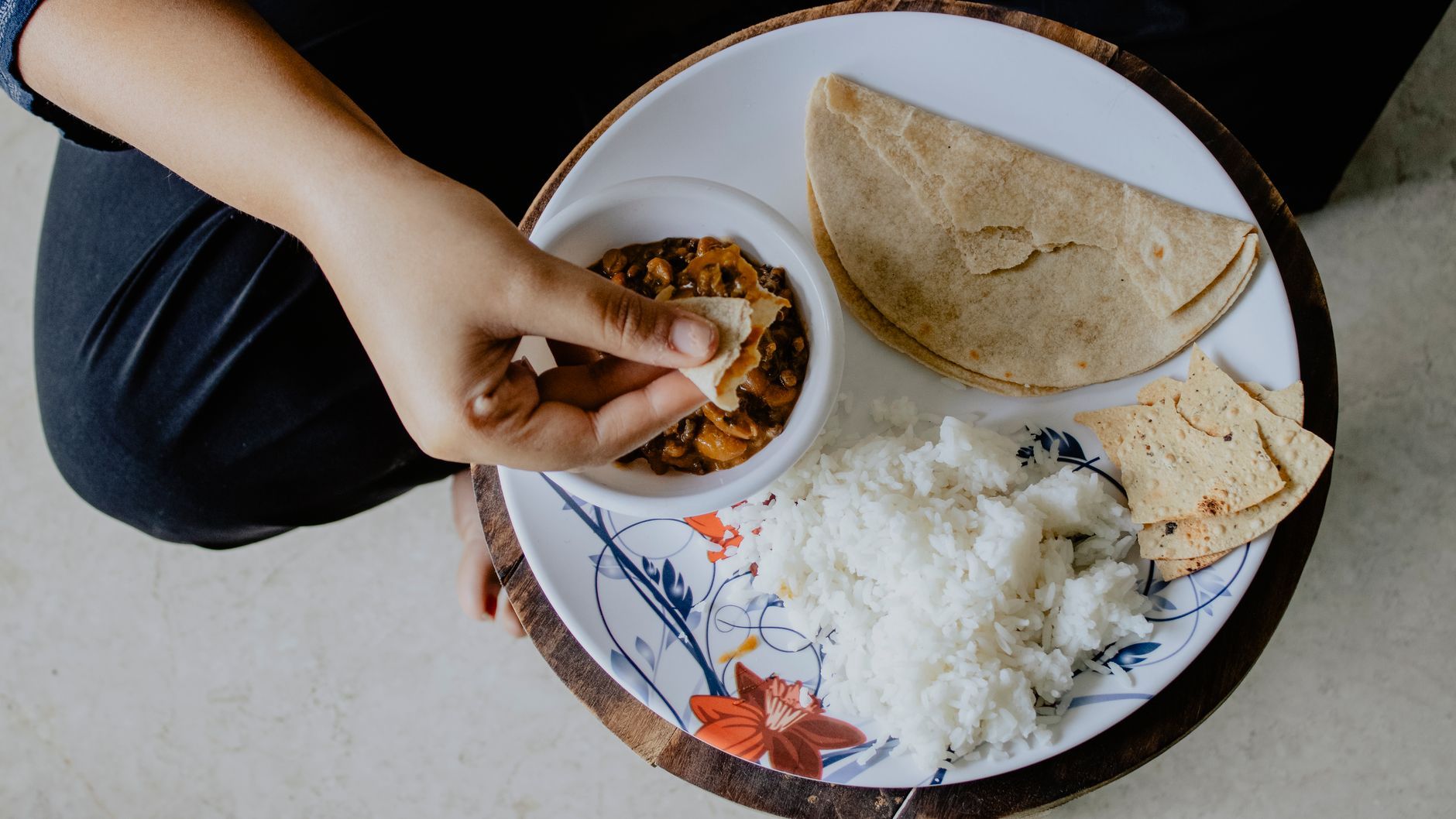
- Keep your usual food, but change the plate. Fill half your plate with sabzi or salad, a quarter with dal, chicken or eggs, and a quarter with roti or rice.
- One roti instead of two, or a smaller portion of rice.
- Use less oil. Cook your salan with fewer spoons of oil. Try grilling, baking or an air fryer instead of deep frying.
- Eat protein at every meal: eggs, dal, chicken, fish, yoghurt or chana. It keeps you full.
- Don’t skip breakfast and then overeat at night.
- Watch the extras: samosas, pakoras, mithai and namkeen are fine sometimes, not every day.
Want a week already planned? Our ready-made Pakistani diet plans list every meal with its calories.
4. Move every day
A 30-minute brisk walk, five days a week is a great start. Brisk means you can talk but not sing. If 30 minutes is too much, start with 10 minutes after each meal.
Try to add some strength work twice a week. Simple home exercises are enough: squats, wall push-ups and climbing stairs. Strong muscles help you burn more energy, even at rest.
5. Sleep and stress
When you sleep badly, you feel hungrier the next day, and sweets look extra tempting. Aim for about seven hours. If life is stressful, a short walk or a few slow breaths can help more than a snack.
6. Drink enough water
Thirst can feel like hunger. Keep a bottle with you and drink through the day, especially in summer.
7. When the scale stops moving
It is normal for weight loss to slow down after a few weeks. Don’t give up. Check your portions again, add a few more minutes of walking, and give it two to three more weeks.
8. Supplements and teas
They are optional extras. If you enjoy herbal tea, it can be a nice habit, especially in place of sweet drinks. Just don’t count on it to do the work. Read Do weight loss teas work? to know what to look out for.
When to see a doctor
See a doctor if you gain or lose weight without trying, miss your periods, feel very tired all the time, or have diabetes, thyroid disease or PCOS. A doctor or dietitian can make a plan that is safe for you.
This article is educational, not medical advice.
Frequently asked questions
How much weight can I safely lose in a week? +
Do I have to stop eating roti and rice? +
How much should I walk to lose weight? +
Wazan kam karne ka asaan tareeqa kya hai? +
Try our free calculators or get a personalised diet plan.