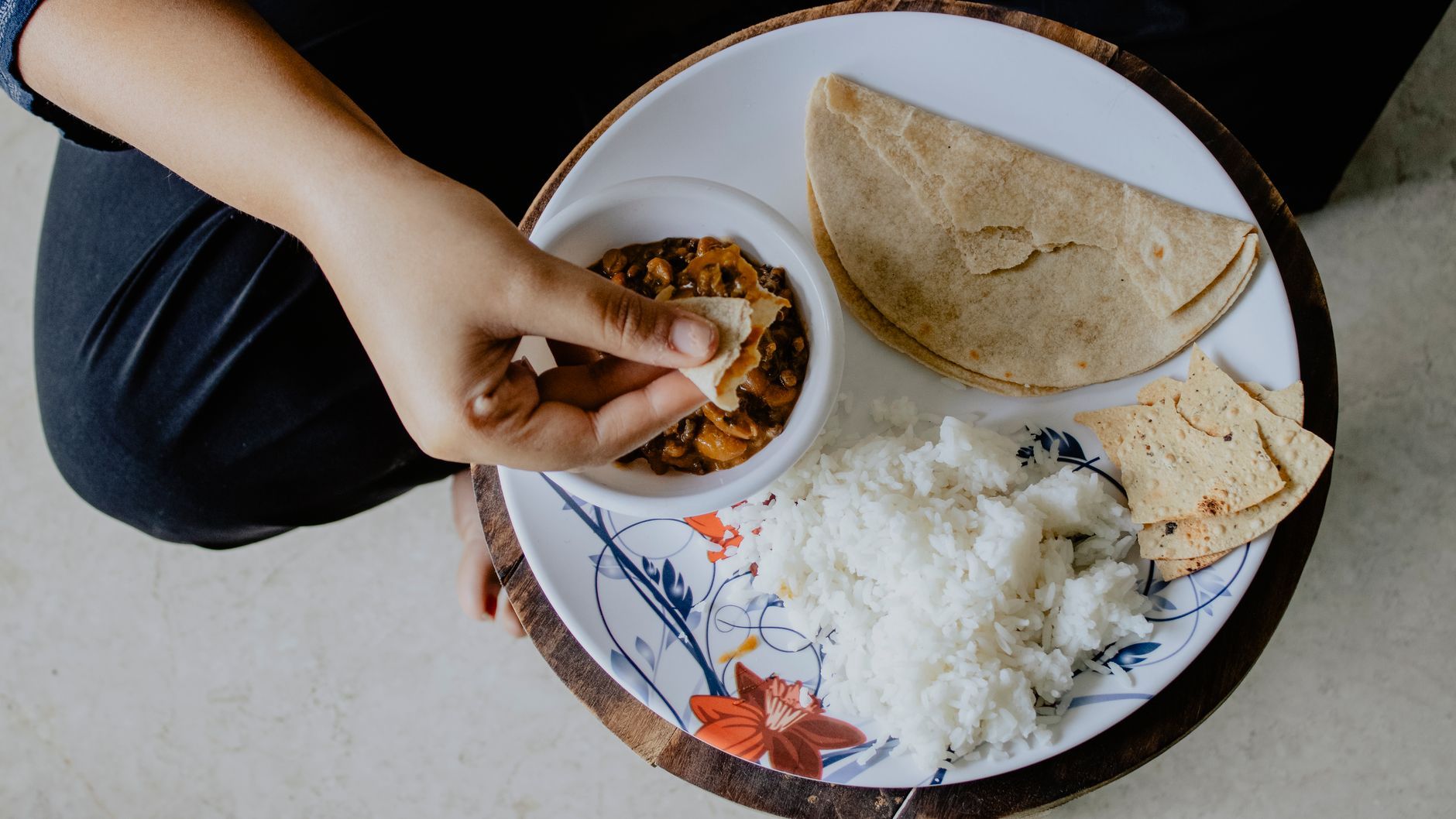
Winter Foods in Pakistan: What to Eat (and What to Limit) When It Gets Cold
As soon as the first cold evening arrives, Pakistani kitchens change gear: saag simmers for hours, dry fruit appears on every table, and someone is always grating carrots for gajar ka halwa. Winter food is some of the most nourishing food we have — and also the season when most people quietly gain a few kilos. The difference usually comes down to a few choices.
The winter foods worth eating more of
- Sarson ka saag and palak — leafy greens are rich in folate, vitamin K and fibre. The greens themselves are very low in calories; it's the makhan on top that adds up, so use a teaspoon rather than a dollop.
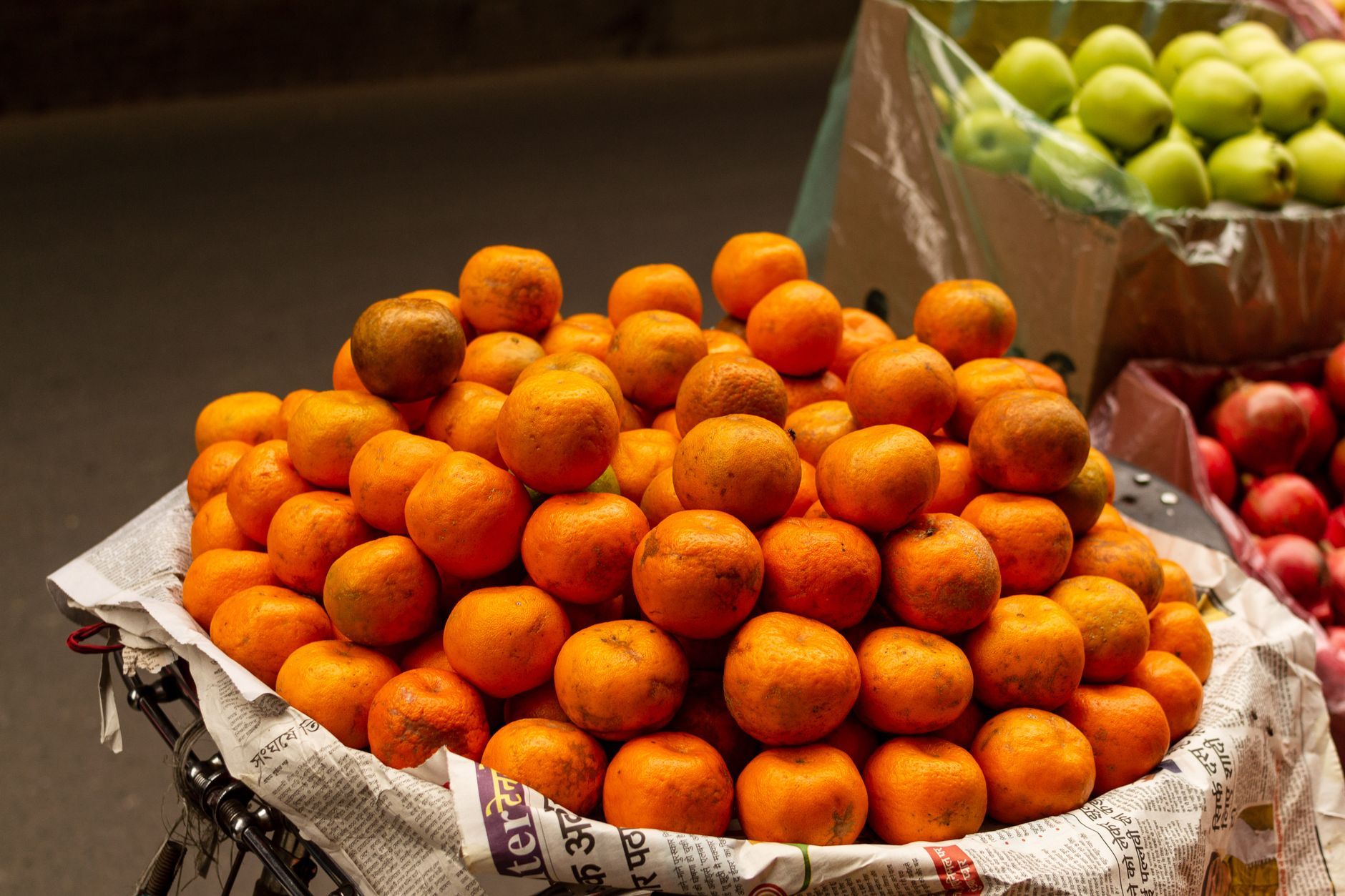
- Oranges, kinnu and guava — winter is citrus season. A medium orange has about 62 kcal and 3 g of fibre; a guava has about 82 kcal and an impressive 6.5 g of fibre plus more vitamin C than an orange.
- Soups — daal ka soup or chicken yakhni warm you up and fill you up for very few calories. A bowl of chicken corn soup is around 150 kcal.
- Carrots, turnips and beetroot — cheap, filling and full of fibre when eaten as sabzi or salad rather than as halwa.
- Eggs and fish — a boiled egg (78 kcal, 6 g protein) is the classic winter breakfast for a reason, and winter fish like rohu and pomfret are at their best.
The winter foods to keep in their lane
None of these need to be banned — they just need a portion size.
- Gajar ka halwa — about 300 kcal per half cup, most of it from ghee, khoya and sugar. Have it as a dessert, not as a second dinner.
- Dry fruit — healthy, but very calorie-dense. Ten almonds are about 70 kcal; a "handful" of mixed nuts eaten while watching TV can easily be 300–400 kcal. Put a small bowl out instead of the whole packet.
- Peanuts and chikki — a handful of roasted peanuts is around 166 kcal and one piece of chikki or gajak is about 130 kcal.
- Pakoras and samosas with chai — four mixed pakoras come to roughly 220 kcal, and a samosa about 175 kcal. A rainy-day treat, not a daily habit.
- Kashmiri chai — about 120 kcal a cup thanks to the milk, cream and nuts, compared with 90 kcal for regular doodh-patti chai with sugar.
Why we eat more in winter
Part of it is biology: colder weather and shorter days can nudge appetite up. But mostly it's environment — more weddings, more guests, more fried snacks with tea, and fewer evening walks because it's cold and dark. Knowing that helps you plan around it.
Five simple winter habits
- Start dinner with soup. A bowl of daal or vegetable soup before the main meal takes the edge off hunger.
- Keep drinking water. Thirst is easy to miss when it's cold; warm water or herbal tea counts. Check your target with our Water Intake Calculator.
- Swap one chai for a herbal tea. Ginger, saunf or a blend like our Weight Loss Tea is warming, caffeine-free and has almost no calories.
- Move indoors. If evening walks stop, try 20 minutes of brisk walking inside the house, stairs, or a home workout.
- Get some sun. Ten to twenty minutes of midday sun on your arms and face helps your body make vitamin D, which many Pakistanis are short of in winter.
Check before you eat
Curious how your favourite winter dishes compare? Our free Food Calorie Chart lists more than 280 Pakistani foods with photos, calories and protein — and you can add up a whole meal in the Meal Nutrition Checker.
Frequently asked questions
Why do people gain weight in winter? +
Are dry fruits fattening? +
Which fruits are best in winter in Pakistan? +
Try our free calculators or get a personalised diet plan.